“No.”
Liam pressed the old phone against his chest.
“This time everyone is going to hear the truth.”
Daniel’s face changed.
Not dramatically.
That was what frightened me.
The color simply drained away.
His attorney, Vanessa Crowe, immediately stood.
“Your Honor, we have no idea where this device came from or whether anything on it has been altered.”
The judge raised a hand.
“No one is playing anything in open court yet.”
Then she looked at Liam.
Her voice softened.
“Liam, did someone tell you to bring that phone today?”
“No.”
“Did your mother know you had it?”
My son looked at me.
“No.”
I could barely breathe.
The judge continued.
“Where did you get it?”
Liam swallowed.
“It was Dad’s old phone.”
Daniel spoke sharply.
“That phone belongs to me.”
The judge looked at him.
“Mr. Whitman, you will remain silent while I speak to your son.”
Daniel sat back down.
Liam’s fingers trembled.
Noah still had hold of his sleeve.
Liam said:
“Dad gave it to us for games when he bought a new one.”
“Then one night I heard him talking to Aunt Vanessa.”
Vanessa Crowe’s expression froze.
Not Aunt Vanessa.
His lawyer.
I stared at her.
Liam continued:
“He said Mom cries too easily.”
“He said if he kept making her angry, people would believe she was crazy.”
My body went cold.
Daniel stood.
“That is enough.”
The gavel struck.
“Sit down, Mr. Whitman.”
For the first time, the judge’s voice was no longer patient.
Daniel sat.
Liam’s eyes filled, but he continued.
“He said we had to tell the court Dad was the stable one.”
“And if we chose Mom…”
His voice broke.
Noah whispered:
“He said we wouldn’t see her anymore.”
I covered my mouth.
The judge stopped everything immediately.
She did not ask the boys to keep performing their parents’ marriage in front of a courtroom.
She ordered a recess.
Then she appointed a child advocate to speak with them privately.
The phone was turned over for proper examination.
And for the first time all morning, someone looked at Liam and Noah not as evidence—
but as children.
Before they were taken out, I caught Liam’s eye.
I wanted to run to him.
Hug him.
Tell him he had saved me.
Instead I said:
“You did enough.”
His face crumpled.
“Are you mad?”
“No.”
“Promise?”
“I promise.”
Then:
“From now on, let the adults handle it.”
He nodded.
That mattered.
My nine-year-old son had already carried too much.
I refused to make him carry my victory too.
The hearing did not end that day.
Neither did the case.
In fact, it became slower.
More careful.
Which was exactly what it needed.
The phone was examined.
The recordings were real.
One of them contained Daniel speaking with Vanessa.
Not about romance.
About strategy.
Vanessa said:
“If Elena gets upset in court, don’t interrupt her. Let her talk.”
Daniel replied:
“She’ll do the work for us.”
Another recording was worse.
Daniel’s voice:
“If the boys hesitate, remind them who pays for their school.”
Then:
“They need to understand that choosing their mother means choosing her apartment, her instability and whatever job she eventually finds.”
Vanessa answered:
“You cannot threaten children.”
Daniel laughed.
“I’m not threatening them. I’m explaining consequences.”
My hands shook when my attorney played that portion for me privately.
Then she stopped the recording.
“There’s more.”
I didn’t want more.
I listened anyway.
Daniel said:
“If Elena gets primary custody, I’ll bury her in motions until she can’t afford to fight.”
Vanessa replied:
“That is not something you should ever say again.”
For once, she sounded genuinely alarmed.
That distinction later mattered.
The investigation did not conclude that Vanessa had planned everything with him.
Some of her conduct was reviewed because of what the recordings showed, but Daniel’s decisions remained his.
I had spent ten years watching him shift responsibility whenever something went wrong.
I was done helping him do it.
Then came the part that frightened me.
My own life was examined too.
Not just his.
The evaluator asked about the days Daniel claimed I had locked myself away.
I told the truth.
There had been days when I cried in my bedroom.
Days when I was overwhelmed.
Days when depression after the collapse of my marriage made getting out of bed difficult.
But I had not left my children without food.
School attendance records showed they were consistently present.
Their pediatrician confirmed I attended appointments.
Teachers described me as the parent who responded to messages, volunteered, signed forms and knew what was happening academically.
The boys were interviewed separately.
They were not asked:
“Who do you love more?”
Instead, professionals asked about routines.
Meals.
School.
Bedtime.
What happened when they were scared.
What happened when adults argued.
Noah said:
“Mom makes pancakes when we have bad dreams.”
Liam said:
“Dad buys better presents.”
Then, after thinking:
“But Mom knows when Noah is pretending his stomach doesn’t hurt.”
I cried when I heard that later.
Not because it meant I had won.
Because those were the small things I had feared the court would never be able to see.
Daniel’s image cracked gradually.
Not in one dramatic explosion.
In details.
He claimed he handled most school responsibilities.
Records showed he had attended two parent-teacher meetings in four years.
He claimed I denied the children dinner as punishment.
Noah explained that once, during an argument, he refused dinner himself and later made cereal because I had fallen asleep after crying.
A painful memory.
But not the story Daniel told.
I had been struggling.
I could admit that.
What mattered was that I sought help once we separated.
Counseling.
Work.
Routine.
I did not have to prove I had been a perfect mother.
I only had to tell the truth.
Daniel had built his case assuming truth needed polish.
It didn’t.
It needed consistency.
Three months later, the final custody hearing began.
Daniel wore another gray suit.
I wore navy.
Noah and Liam were not in the courtroom.
I insisted on that.
Their advocate presented their wishes instead.
Both boys wanted to live primarily with me.
They wanted to see their father too.
That surprised Daniel.
I saw it in his face.
Maybe he expected them to hate him after everything.
Children are more complicated than that.
Liam loved his father.
Noah loved him too.
Love did not erase fear.
Fear did not erase love.
The judge understood that.
Her decision reflected it.
I was granted primary residential custody.
Daniel received structured parenting time that would expand only if he followed the family counselor’s recommendations and stopped involving the boys in adult conflict.
Neither parent was permitted to disparage the other.
No threats tied to money.
No questioning the children about legal strategy.
No using tuition, gifts or travel as leverage.
The judge looked directly at Daniel.
“Your financial success is an advantage you may use to support your children.”
Then:
“It is not authority over their emotional loyalty.”
He looked down.
The mansion had not won.
Neither had my tears lost.
The children had.
Or at least, they finally had a chance to stop being pulled apart.
Outside the courthouse, Daniel approached me.
My lawyer stayed nearby.
He looked exhausted.
“You got what you wanted.”
I looked at him.
“No.”
His jaw tightened.
“I wanted a husband who respected me.”
“I wanted my children to have two parents who didn’t make them afraid to love the other.”
“I didn’t get that.”
He looked away.
Then:
“Liam recorded me.”
“Yes.”
“My own son.”
“No.”
I shook my head.
“You said those things in a home where your son could hear you.”
“That part belongs to you.”
His face hardened.
For a second, the old Daniel returned.
Then disappeared.
“What am I supposed to do now?”
I looked toward the courthouse doors.
“Be their father.”
“You think it’s that simple?”
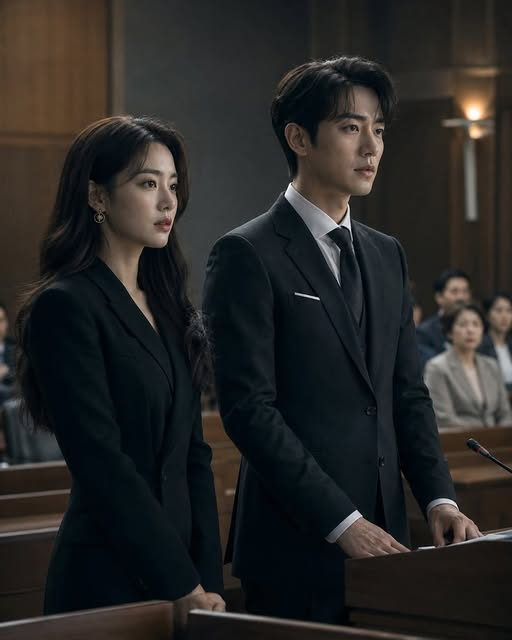
“No.”
“That’s why it will matter.”
Then I left.
The first year was difficult.
Daniel tested boundaries.
Once he bought the boys expensive tablets after I had limited their screen time.
I did not fight with him through the children.
The parenting coordinator handled it.
Another time, Liam came home and said:
“Dad asked if you have a boyfriend.”
I called Daniel.
Not angrily.
“Do not use him to gather information about me.”
Silence.
Then:
“You’re right.”
That surprised me.
He stopped.
Gradually, the visits improved.
Daniel learned to ask about school without asking about court.
He attended family counseling.
He apologized to the boys.
Not:
“I only did it because I was afraid of losing you.”
That came later, when he finally understood excuses were not apologies.
He said:
“I made you feel responsible for adult decisions.”
“That was wrong.”
Liam cried.
Noah hugged him.
I was not there.
Their healing with their father did not require me to supervise it.
I rebuilt my career too.
Slowly.
I had studied marketing before the twins were born.
At thirty-eight, I returned to it.
My first job paid less than Daniel’s monthly travel budget.
I didn’t care.
My apartment remained small.
The boys shared a room for another year until I could afford a larger place.
Liam complained.
Noah loved it.
They whispered after bedtime.
Argued over socks.
Built blanket forts.
Normal problems.
Beautiful problems.
Three years later, I became account director at a midsized agency.
No secret inheritance.
No billionaire twist.
Just competence returning after a decade of being used mostly for lunchboxes and permission slips.
I did not regret those years.
Raising my sons had been work too.
I simply stopped believing motherhood had erased the woman I had been before it.
When the twins were twelve, Liam found the old phone in a box.
He brought it to me.
“Mom?”
I recognized it immediately.
“Do we need this anymore?”
I looked at the device that had terrified me in court.
The phone everyone later described as the thing that “destroyed Daniel.”
It hadn’t.
Daniel’s own words had damaged his credibility.
The phone only preserved them.
“No,” I said.
Liam turned it over in his hands.
“I thought I saved you.”
My heart broke a little.
I sat beside him.
“You told the truth when you were scared.”
“That was brave.”
He looked at me.
“But you were never responsible for saving me.”
His eyes filled.
“Then why did everyone say I won the case?”
“Because adults like simple stories.”
I smiled.
“The truth is less exciting.”
“What truth?”
“That the judge listened to a lot of people.”
“Teachers.”
“Doctors.”
“Lawyers.”
“You and Noah.”
“Me.”
“Your dad.”
“The phone mattered.”
“But no child should have to destroy one parent to protect the other.”
Liam leaned against me.
“Dad’s better now.”
“Yes.”
“You’re not mad that I still love him?”
I kissed his hair.
“Never.”
That was the victory.
Not custody.
Not Daniel losing.
That sentence.
My son finally understood he did not have to choose which parent he was allowed to love.
Years later, Daniel and I sat beside each other at the twins’ high-school graduation.
Not together.
Beside each other.
There was a difference.
Noah crossed the stage first.
Then Liam.
Daniel applauded so loudly people turned around.
I laughed.
He looked at me.
“What?”
“You’re embarrassing them.”
“Good.”
For a moment, we almost looked like the family we once wanted to be.
Almost.
Then Daniel said quietly:
“I think about that courtroom a lot.”
“So do I.”
“I thought Liam betrayed me.”
I turned toward him.
“And now?”
He watched our son.
“Now I think he was terrified.”
“Yes.”
Daniel swallowed.
“I made a nine-year-old believe he had to collect evidence against his father to keep his mother.”
There was nothing I needed to add.
He already understood.
Then he said:
“I’m sorry, Elena.”
Not for court.
Not for losing.
For what he had made our children carry.
I nodded.
“Thank you.”
That was enough.
The day the judge asked my twins where they wanted to live, I believed everything depended on their answer.
I was wrong.
Nine-year-old Liam stood up with an old phone because he thought nobody else could protect me.
But the most important thing I did afterward was make sure he never had to do that again.
Daniel eventually became a better father.
I became myself again.
And our boys grew up knowing something neither of us had understood during the divorce:
Children are not witnesses for one parent against the other.
They are children.
Liam did not destroy his father in court.
Daniel’s choices did that damage himself.
My son simply stopped carrying the secret for him.
